
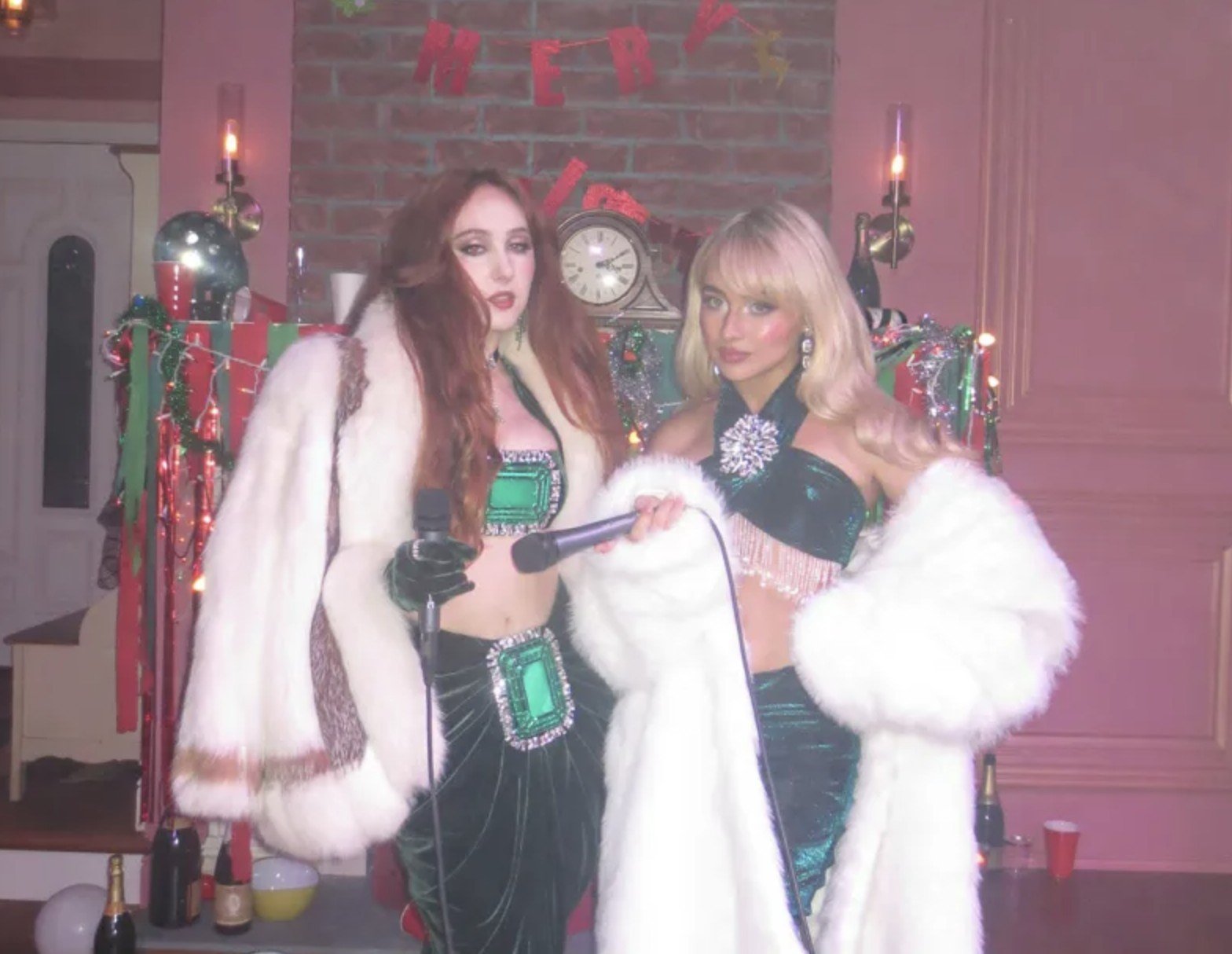
An album rollout isn’t only about releasing new music, but about creating an experience that brings an artist’s story and vision to life. It involves storytelling, strategy, and intentional branding that work together to connect the music with the audience. From the visuals that introduce a new era to the digital campaigns that build anticipation, every element plays a significant role in shaping the impending release and potential success of an album. While creative direction works on sharing the narrative, marketing helps to ensure it reaches the target audience. In today’s ever-changing social media landscape, how can music marketers balance authenticity, promotion, and creativity without jeopardizing an artist’s identity? To explore this further, I spoke with Olivia McDowell, whose experience and background in social media marketing and branding offer a fresh perspective to the conversation. Together, we discuss how creative direction and digital marketing complement one another in the effort to create a successful album rollout.
▶ Let’s turn up the volume and hit play on this conversation!
iMessageToday 7:42 PM

When introducing a new era, I believe that the artist’s visual identity is just as significant as the music itself. From the album covers to teasers to overall aesthetics, these elements help establish a recognizable brand that an audience can associate with the artist and their work.
Maintaining that identity across various platforms can be tricky, especially when artists are experimenting with new sounds, vibes, and creative direction.
Olivia, from a social media branding perspective, how can music marketers develop and maintain a cohesive visual identity while prioritizing the artist’s creative freedom?
Delivered Olivia
When I think about strong artist branding, Chappell Roan and Sabrina Carpenter are two artists who immediately come to mind; both have recognizable identities that set them apart in the industry.
Sabrina, for example, is very in tune with pop culture and often draws inspiration from trends and films to shape her aesthetic.
I think it’s important for music marketers to identify the traits that make an artist unique and find creative ways to elevate those qualities without limiting their personality. By consistently highlighting key characteristics throughout an album rollout, marketers can establish a visual identity that an audience begins to recognize and associate with the artist, even as they evolve.
I agree!
Building on that, I also believe that the story behind an artist and their music is what makes it meaningful to an audience. Artists like Beyoncé and Taylor Swift use album rollouts as opportunities to communicate a story through the music, visual components, or content shared throughout the release.
When listeners feel connected to that journey, they’re inspired to engage beyond simply listening to new music.
How can music marketers use storytelling through social media to build an authentic relationship between an artist and their audience?
OliviaI think storytelling plays a significant role in how audiences connect with artists and their music. Taylor Swift, as you mentioned, often writes about deeply personal and niche experiences, yet she communicates them in ways that resonate with listeners.
From a music marketing POV, when artists remain authentic and communicate who they are in a meaningful way, it helps spark a genuine connection with their audience.
Social media platforms like TikTok can strengthen that connection by allowing fans to share their music interpretations through personal experiences and other creative content. In a way, storytelling becomes a shared experience, giving the music additional meaning.
That’s a great point!
Social media has provided listeners with opportunities to contribute to an artist’s brand and story; it’s become a place of community rather than just for promotion. With applications like TikTok influencing music discovery and internet culture, marketing strategies have evolved to include viral trends, influencer collaborations, and more.
However, I believe it’s important for marketers to recognize that not every trend or collaboration will directly align with an artist and their work.
Olivia, how can marketers leverage trends and influencer partnerships to promote an album while maintaining artist authenticity?
OliviaI think it’s important to first understand the artist’s creative vision and what they’re trying to communicate through their music and overall brand.
Not every trend is going to work in favor of every artist, and that’s where marketers need to be careful. Rather than jumping on every viral trend, marketers should look for content that aligns with the artist’s personality, music, and message.
The same applies to influencer collaborations: working with creators who genuinely connect with the artist will make for more authentic and intentional marketing efforts.
I believe successful promotion isn’t always about doing what’s popular, but knowing how to use that to complement the artist’s vision.
I completely agree!
While social media trends and marketing campaigns can generate excitement about an album release, I believe the real challenge is maintaining that momentum once the buzz begins to die down. An album rollout shouldn’t end when the music becomes available, especially when there are chances to keep engagement and attention through live performances, exclusive content, and other fan-forward experiences.
To me, successful music marketing is about giving listeners a reason to remain invested in the artist and their journey.
Lastly, how do you think music marketers can use social media to spark engagement and turn casual listeners into long-term fans?
Read 7:58 PM OliviaYes! I think the key is to keep the momentum going!
Music marketers should continue creating memorable experiences and promotional opportunities that give audiences something to look forward to, even after an album is released. Beyond having great music, it’s important to understand the artist’s target audience and what motivates them to engage.
Personally, I think FOMO (fear of missing out) can be a powerful tool, especially when fans feel like they’re part of something exclusive and new.
By developing a marketing funnel that encourages different levels of participation, marketers can guide casual listeners toward becoming long-term fans. In my opinion, it’s about finding ways to maintain the momentum and connection between an artist and their audience, post-album release.
In the end, a successful album rollout goes beyond the release of new music. As Olivia and I discussed, creative direction, storytelling, and promotional strategies all play an important role in shaping how audiences connect with an artist. While establishing an easy-to-recognize identity can capture their attention, authenticity and meaningful experiences give listeners a reason to remain engaged. By understanding an artist’s creative vision and the interests of their target audience, music marketers can develop campaigns that balance creative expression with promotion.
I’d like to thank Olivia for sharing her insights and joining me today to discuss the importance of social media branding and fan engagement throughout an album rollout. Our conversation reinforced that while trends may come and go, the connections artists foster with their audiences can extend far beyond a release.
Remember, behind the scenes of an album’s era, you will discover that it’s not just about getting people to listen; it’s about giving them something worth remembering.